Why the soil your herbs are grown in determines how well they work
When you buy a sleep supplement, you are really buying a promise about plant chemistry. The herbs inside, lemon balm, lavender, skullcap, only work because of the specific compounds they produce. But here is what almost no supplement brand will tell you: the amount of those compounds a plant makes is not fixed. It depends enormously on how, and where, the plant was grown.
Plants make medicine in response to their environment
The active constituents in medicinal herbs, the terpenes, flavonoids, and alkaloids that actually affect your nervous system, are what botanists call secondary metabolites. Plants do not produce them to grow taller or yield more. They produce them in response to their environment: to defend against stress, to communicate with soil microbes, to adapt to their surroundings.
A plant grown in sterile, over-fertilized soil has little reason to invest energy in this chemistry. It grows fast, looks healthy, and produces a fraction of the medicinal compounds. A plant grown in living, biologically active soil develops a much richer secondary metabolite profile, because it is in genuine relationship with its environment.
The 8–30× difference
Studies comparing regeneratively grown and conventionally grown medicinal plants have found differences in active compound concentration ranging from 8 to 30 times. That is not a rounding error. That is the difference between a supplement that works and one that is essentially expensive plant fiber.
The medicinal expression of the plants we turn into supplements is 8–30× that of organic or conventional growing alone.
This is the single most overlooked variable in the supplement industry. Brands compete on dosage, extraction method, and marketing, while ignoring the one factor that determines whether the raw material had any potency to begin with.
Why the industry ignores it
Most supplement companies never touch the plants they sell. They source bulk ingredients from brokers and contract manufacturers who buy on price, not potency. There is no incentive, and often no ability, to know how the herbs were grown. The result is a market full of nameless brands with no connection to the soil.
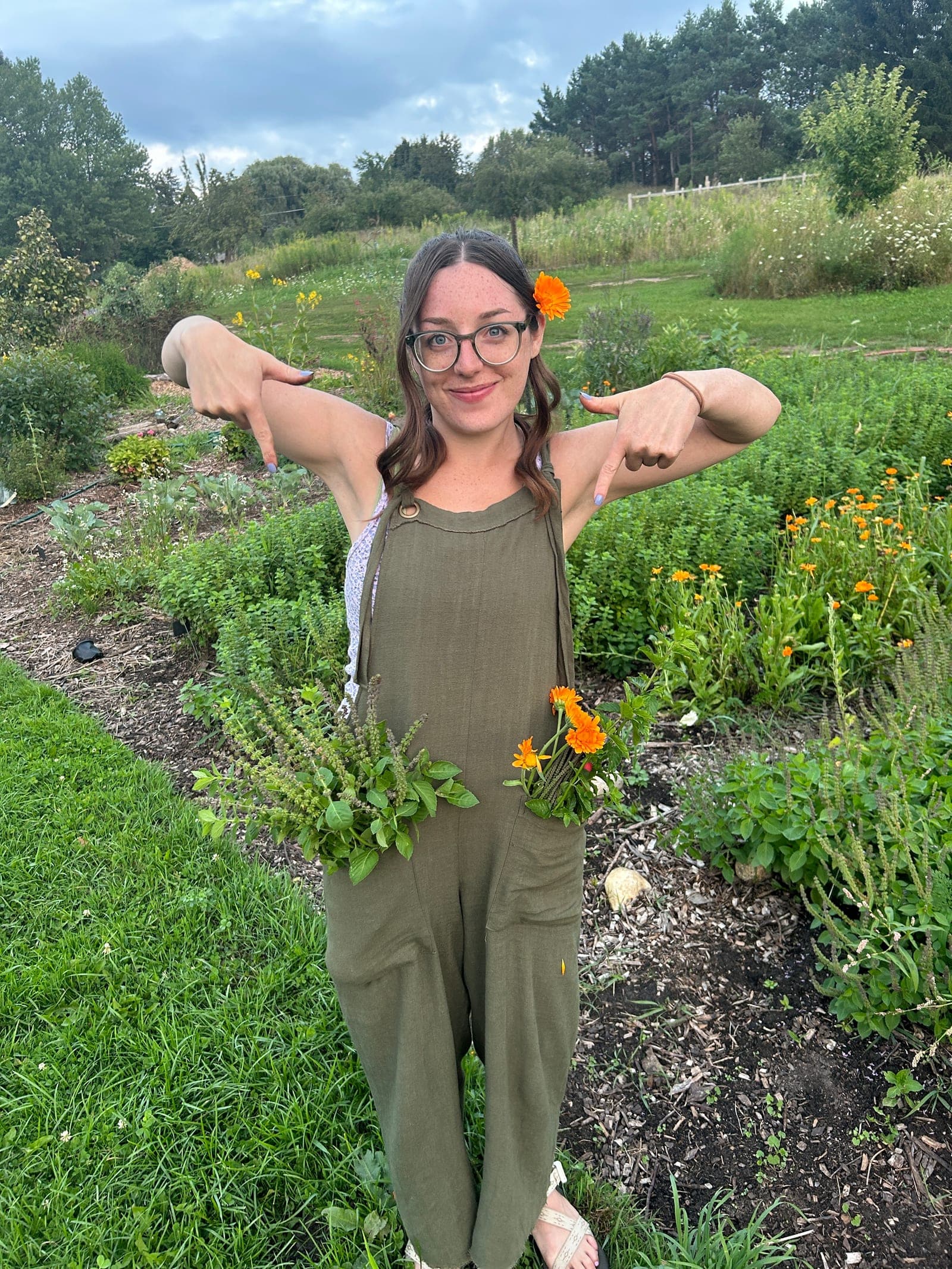
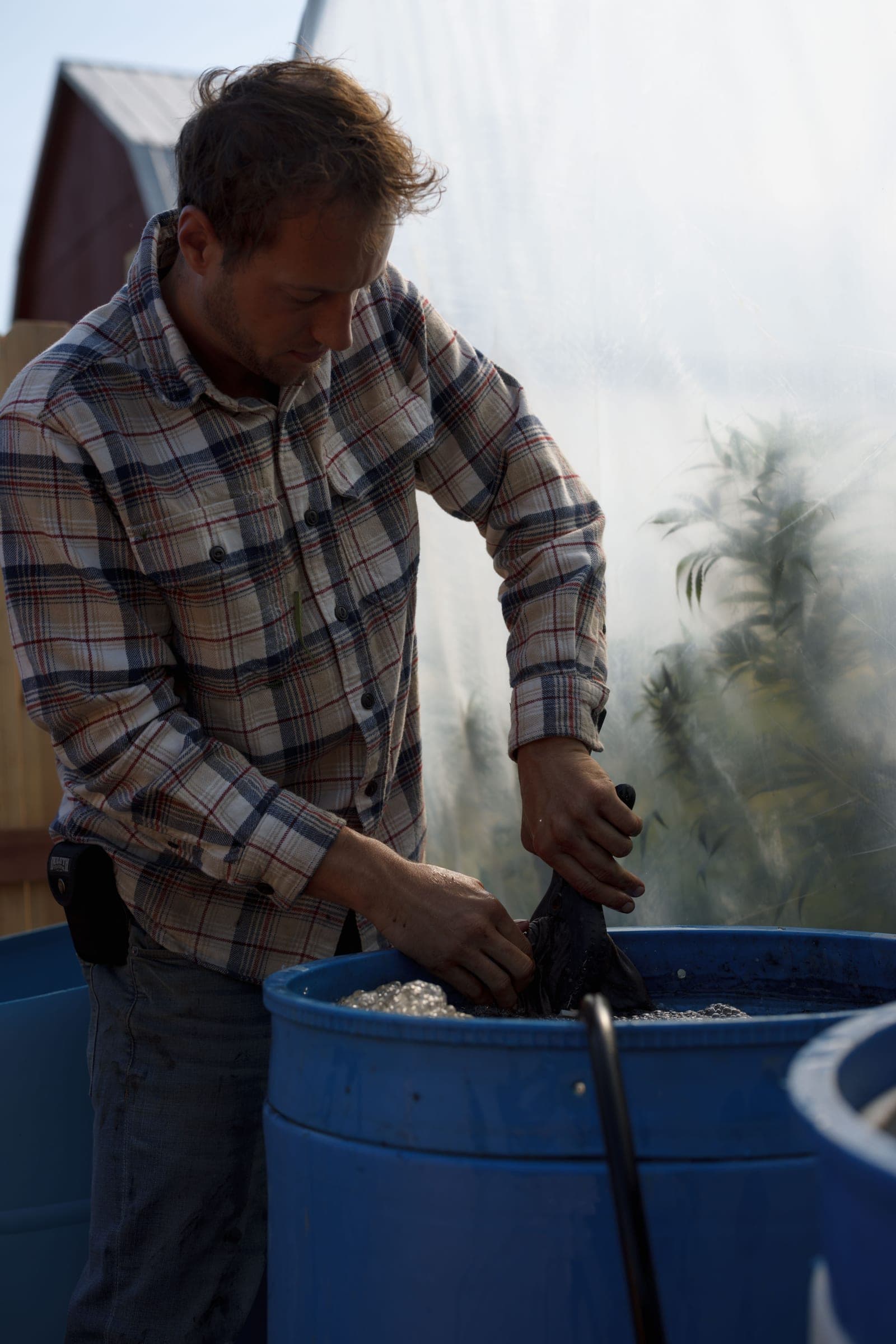
We built Dream Drops the opposite way. We grow our herbs on our own regenerative farm in Wisconsin, using Korean Natural Farming practices that build soil biology instead of depleting it. Every plant is grown for potency, not yield.
What this means for your sleep
When the raw material is more potent, everything downstream improves. You need less of it. The effect is more consistent. And you are getting more of what the plant actually produces, not a diluted echo of it. That is why we start every conversation about sleep not with the bottle, but with the ground.
Try a Dream Drops sample for $1
A small-batch sleep tincture grown on our regenerative farm. Start with a 0.5 fl oz sample.
Shop Dream Drops